Critical Skilled Nursing (CSN)
At-home nursing care for people who need continued help with their health
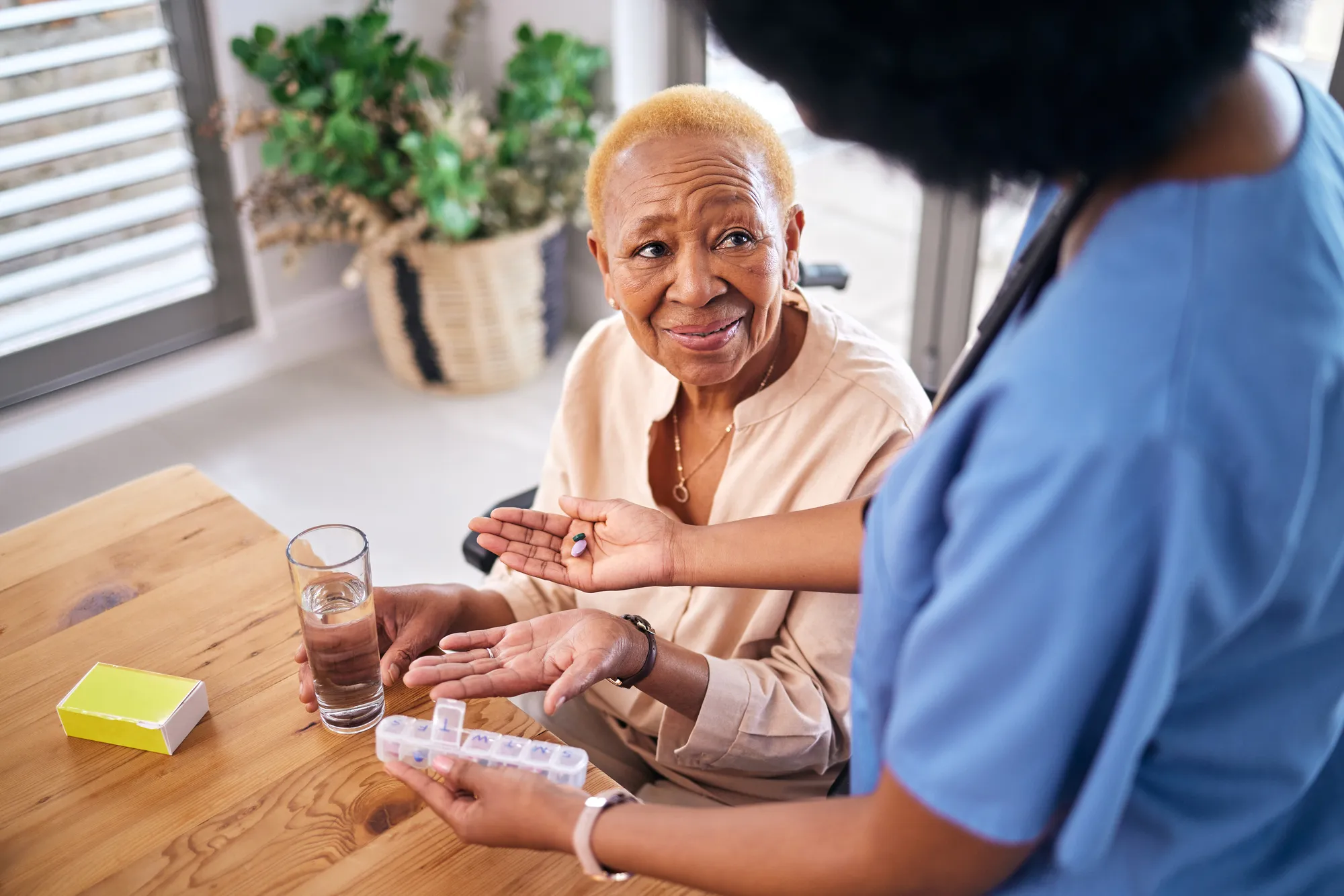

Short-term Nursing Care to Support Recovery and Healing
Skilled nursing provides medical care at home for people who are recovering from an illness, injury, surgery, or hospital stay, or who need nursing care to manage a health condition for a limited time.
Licensed nurses visit the home to provide treatments, monitor the person's health, manage medications, and work closely with the physician to support recovery. Care is provided under a physician's order and follows a personalized plan based on each person's medical needs.
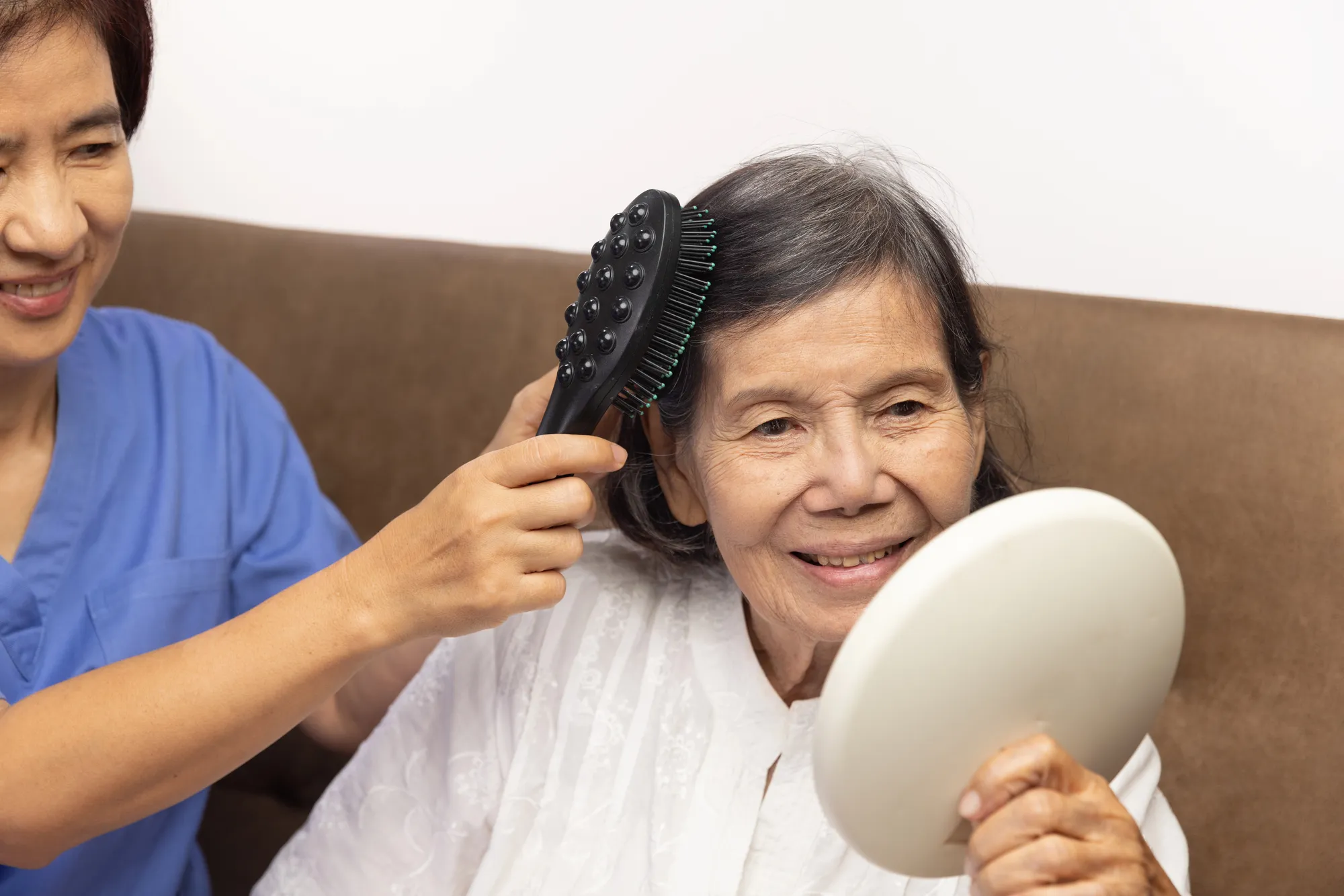
Who Can Benefit from Skilled Nursing?
Skilled nursing may be a good fit for people who:
- Are recovering from surgery, illness, or injury
- Were recently discharged from a hospital or rehabilitation facility
- Need wound care, medication management, or other nursing treatments at home
- Have a physician who has ordered skilled nursing services
- Need short-term medical care to recover safely at home

Our Skilled Nursing Services
Our licensed nurses provide medical care in the home based on each person's treatment plan.
Services may include:
- Giving medications and prescribed treatments
- Wound care and dressing changes
- Monitoring vital signs and overall health
- IV therapy and infusion services
- Blood draws and specimen collection
- Catheter and ostomy care
- Patient and family education
- Communicating with physicians and the care team to monitor progress
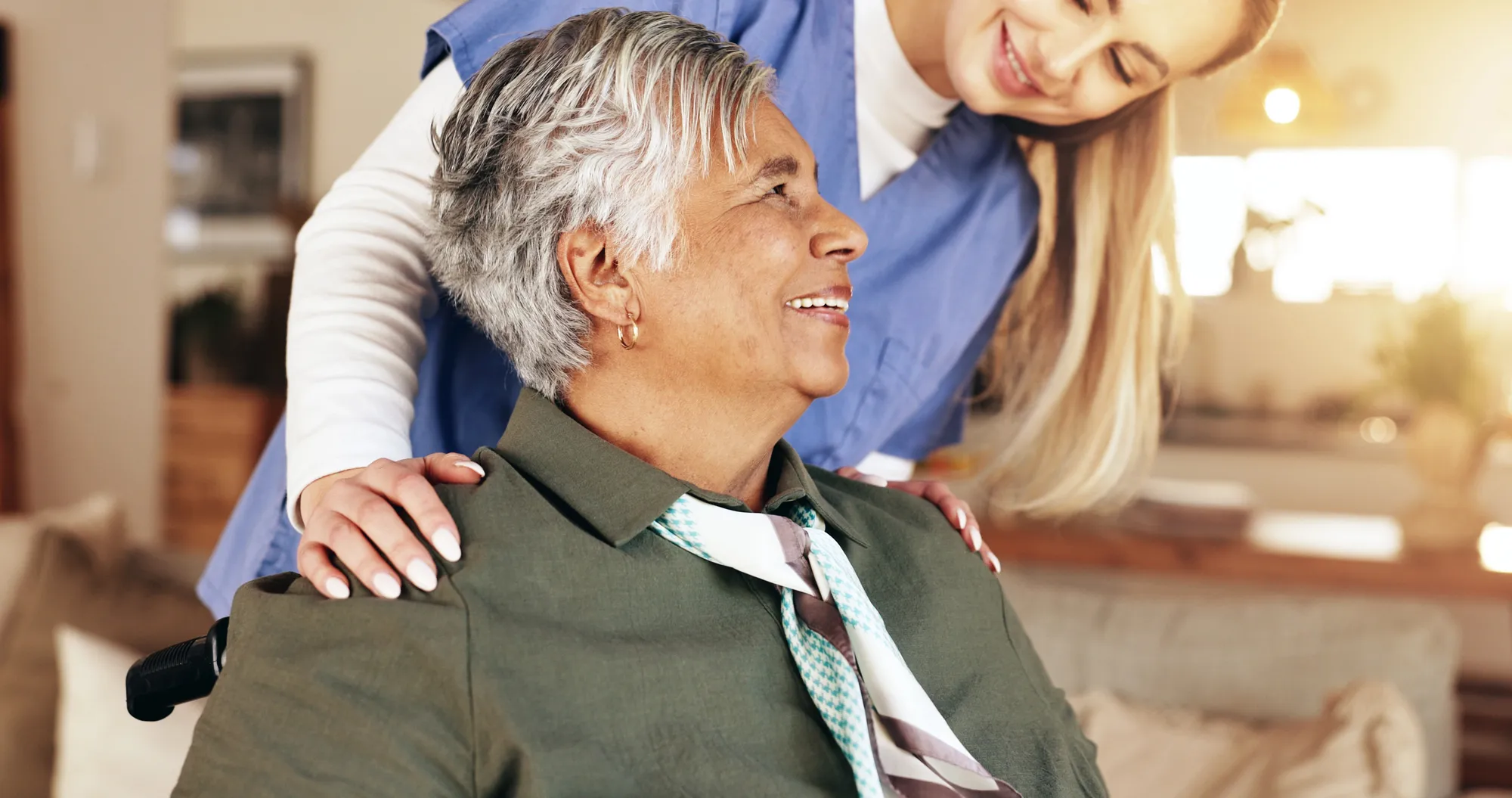
How Is Skilled Nursing Different from Critical/Continuous Skilled Nursing?
Both services are provided by licensed nurses, but they are designed for different levels of care.
Skilled nursing provides short-term nursing visits for people who are recovering from an illness, injury, surgery, or hospital stay, or who need medical care for a limited time.
Critical or continuous skilled nursing is for people with serious, ongoing medical conditions who need nursing care for extended periods or around the clock. Instead of occasional nursing visits, care is provided on a continuous or shift-based schedule to help manage complex medical needs at home.
Frequently Asked Questions
Find answers about our services, coverage, and how to begin.
Yes. Skilled nursing services are provided under a physician's order and follow a personalized plan of care.
No. Skilled nursing is designed to provide short-term medical care while you recover or manage a health condition.
Contact Fortcom Health Services to discuss your needs. Our team will review your physician's referral, answer your questions, and help determine whether skilled nursing is the right service for you.
The number of visits depends on your medical needs and your physician's treatment plan.
Skilled nurses can provide treatments, wound care, medication management, health monitoring, IV therapy, patient education, and other medically necessary nursing services.
How to Get Started
We support MassHealth-eligible members who need help remaining independent at home, including elderly patients, individuals recovering from illness or surgery, and those living with disabilities.
Our process is simple and straightforward:
1. Prepare Basic Care Information
Before reaching out, please gather details about care needs, living situation, and support requirements.
2. Complete an Assessment
A care manager will meet with members to complete a full assessment and determine eligibility.
3. Receive a Personalized Care Plan
If the member is eligible, our team will create a care plan for their needs and level of support.
Complete Our Quick Form to Find a Caregiver
Our team will review your information and reach out to help you take the next step.
Refer Someone You Care About
If you would like to refer a person or know someone who could use our services, please let us know and we will contact them soon.